

La Legión in South Africa
The team of Paraguayans, Uruguayans, Chileans and Argentinians that went undefeated on a ‘ghost tour’ of South Africa.

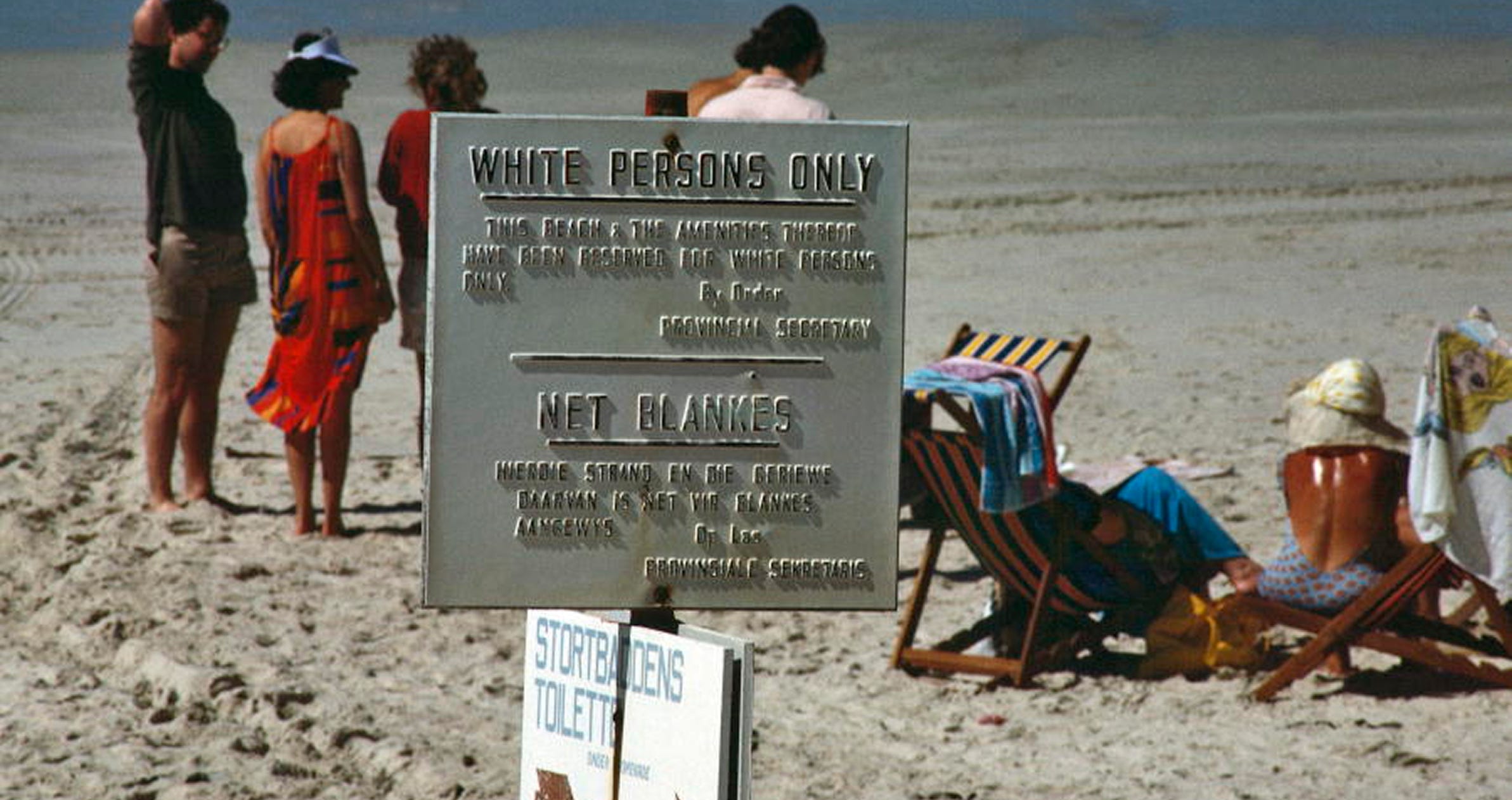
South Africa’s apartheid policy gave many legal and social privileges to the largely Dutch-descended white population. Literally meaning “separateness”, Black people1 had to live in specific townships and carry pass books to enter White areas. Mixed marriages and interracial relationships were illegal. Schools, sports, hospitals, beaches, trains, and buses were segregated. Black residents were expected to step off the pavement when Whites walked towards them, and were subject to harassment, unprovoked arrest, and nightly curfews.
By 1982, the law had been in place for three decades and Nelson Mandela was entering his 20th year of imprisonment on Robben Island. International pressure had grown, and there were now regular protests at home as well. The inevitably untenable hold the Afrikaner minority had over the majority of their country was loosening month by month.
And on top of that, perhaps most importantly for many, their standing on the international sporting stage was also slipping.
Sport has always been critical to South African identity. Its success and global prestige, particularly in rugby, gave it an opportunity to dominate some of the historic powers on their own terms. As Jean Durry said in Sport & Apartheid: “Implanted by British practitioners, taken over by the Afrikaners, fifteen-a-side... quickly became in South Africa a creed, a religion.”
This fanaticism for rugby meant that defeating the Springboks in their own country was considered one of the toughest pilgrimages any international team could take. South Africa did not lose a series home or away for the first 50 years of the 20th century. When they were beaten at home by France in 1958, it was such a landmark event, there were two books written about the series which were translated into three languages.
But apartheid had caused a schism. By the 1980s it was proving harder and harder to get teams to travel and test themselves in the Boers’ backyard.
South Africa’s sporting isolation had long been a goal for anti-apartheid campaigners. Though tours largely went unchallenged in the 1950s and 1960s, South Africa did have to cancel an All Blacks match due to opposition to its banning of Māori players and the country was also barred from the 1964 Tokyo Olympics.
Then, in 1977, Commonwealth nations signed the Gleneagles Agreement, designed to discourage, but not ban, sporting contact with South Africa. In 1980, the United Nations’ Centre against Apartheid began tracking sportspeople who had travelled to the country, hoping to apply moral pressure by requiring athletes to pledge to never return in order to have their names removed from the list.
The tactic aimed to hit the Afrikaners where it hurt the most: their games. While cricket, tennis and Olympic events mattered, they still prayed to an oval altar. And rugby refused to refute the Springboks.
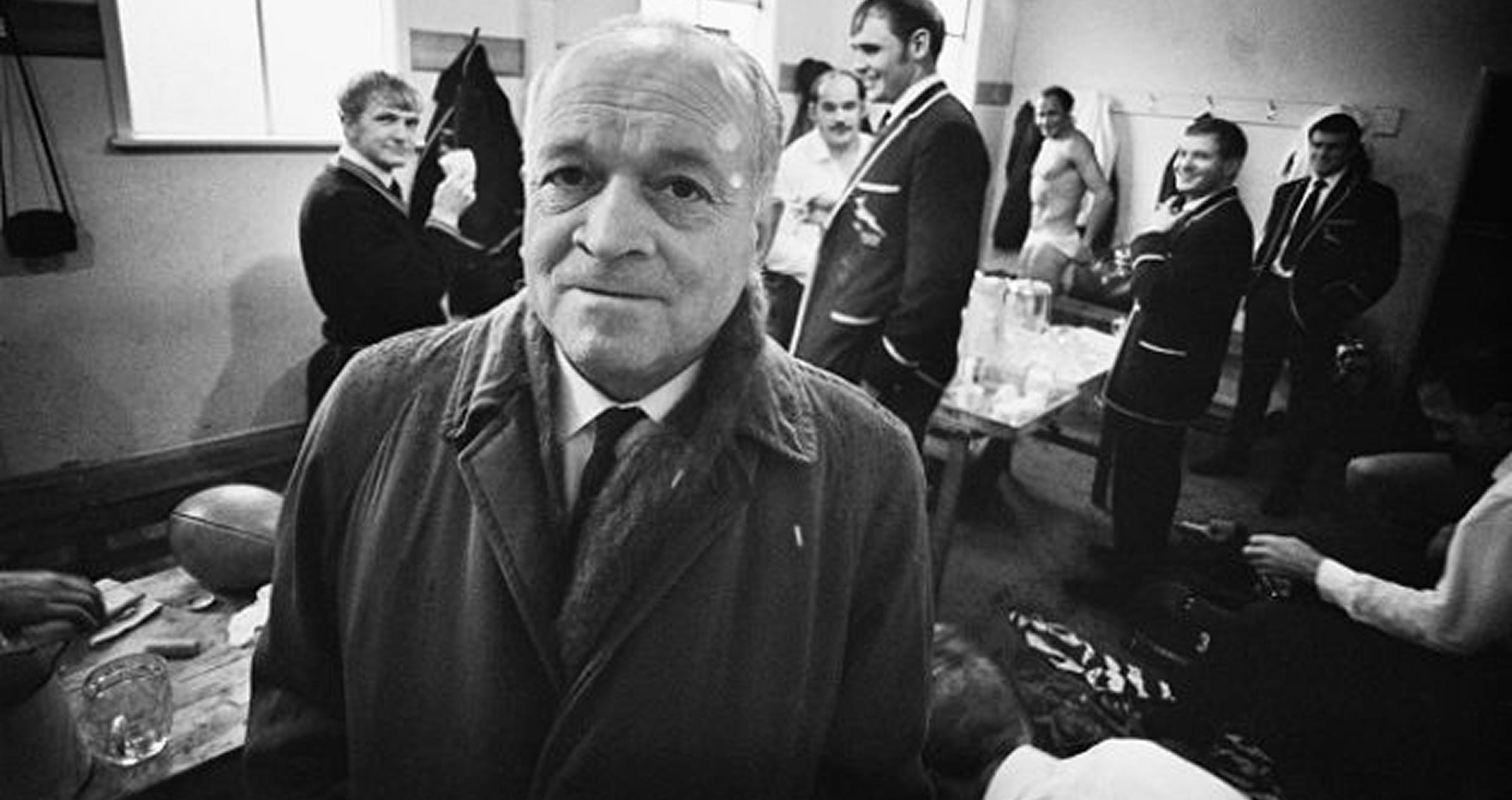
The British Lions toured in 1968, 1974 and 1980. France toured in 1980, Ireland in 1981, and the same year a South African tour of New Zealand caused mass protests across the nation. The IRB never relinquished South Africa’s membership. Green and gold were threaded through rugby like the stitching on the ball itself. The nation was too important to the game’s growth and success, and powerbrokers like South African Rugby Board president Danie Craven had scratched enough backs in their careers that they were owed a few in return.
The unions never used their rugby influence to affect the Springboks and positively impact domestic policy, or as Chris Laidlaw, an All Black and Member of Parliament put it:
Rightly or wrongly, it has dealt the image of rugby a vicious blow, one from which it may never really recover. South Africa has now been exposed for what it really is, a malignant cancer in the corpus of rugby which has long called for the surgeon’s knife. Yet the rugby community - most notably in New Zealand - still remains fatally hesitant when it comes to acting as doctor.
By the ‘80s, the SARB was finding fewer and fewer teams were willing to shake hands in broad daylight. For its traditional rugby rivals, the domestic and international pressure was too much. The political hangover from agreeing to play against them was not worth the dinner schmoozing the night before. They were looking for a way to find opposition that might not cause as much of a furore. They needed the money and wanted the prestige, and one place they knew they could find both was in South America.
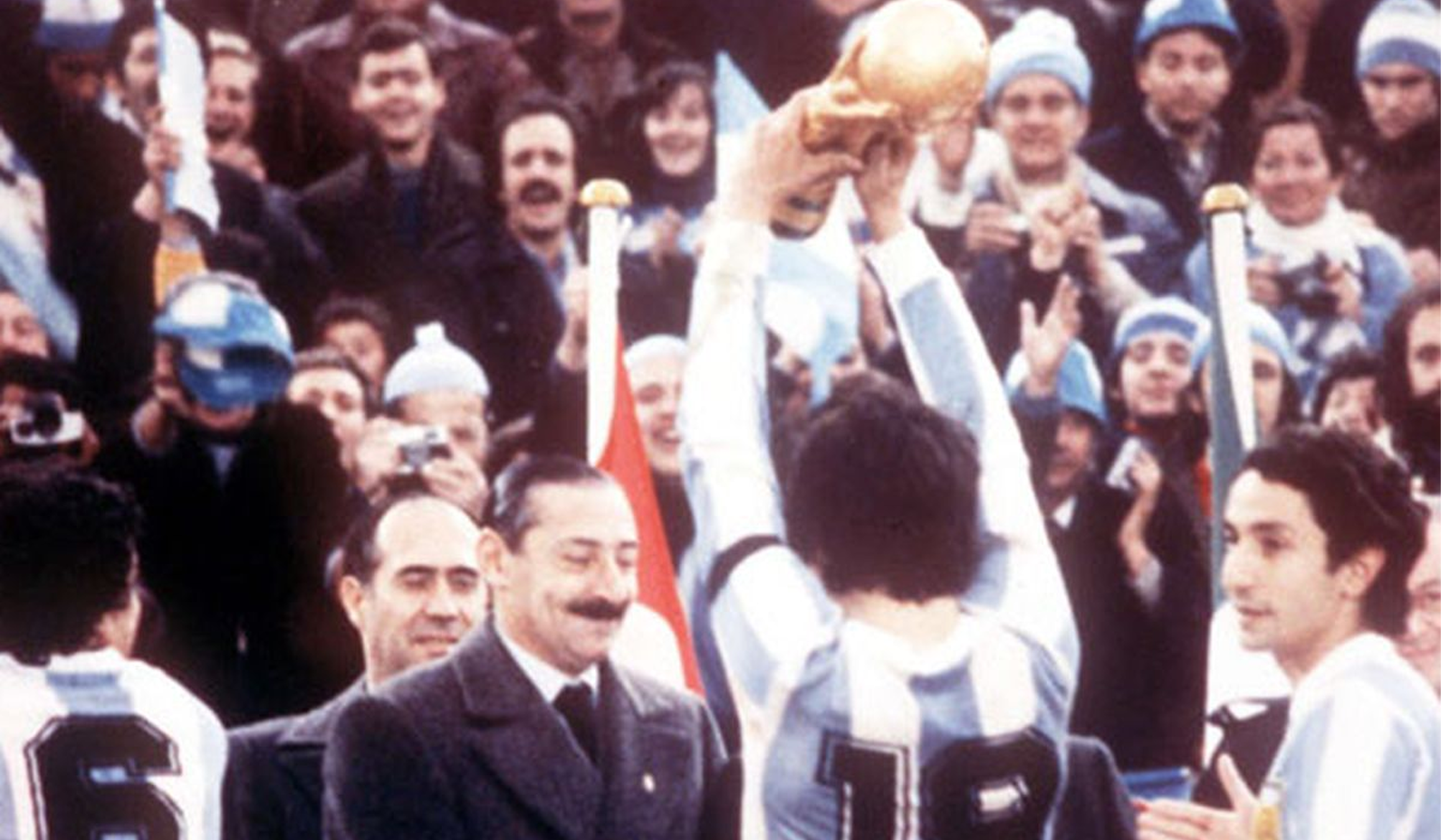
Argentina had once found itself similarly ostracised on the global sporting stage. The military junta had ruled since 1976, and its hosting of the 1978 World Cup had drawn stark attention to the human rights abuses and the plight of “los desaparecidos”.
The junta had been killing dissidents for years. It is estimated that between 1974 and 1983 up to 30,000 people were “disappeared” in La Guerra Sucia, the Dirty War, which primarily targeted the left wing. Intellectuals, students, trade unionists, and journalists. Anyone thought to pose a challenge to the government were at risk of being bundled into a Ford Falcon and never being seen again2.
En route to mundial victory, the entire world had learned of the atrocities, moved by the Mothers of the Plaza de Mayo peacefully marching in Buenos Aires to protest their “disappeared” children. Football players had either boycotted the tournament entirely or drawn attention to it after they returned home3.
For the purposes of South African rugby, it was clear that, unlike many other nations, there would be little domestic dissent about them touring. Argentina’s people were busy protesting their own injustices, if they could speak at all.
But there was one hurdle. There had been a ban on sporting relations between Argentina and South Africa since the early 1970s, when the previous government and the Unión Argentina de Rugby refused to allow San Isidro to tour, forcing the entire committee to resign in shame and forbidding all future trips. Conscious of how it would look to overturn this ruling, and already increasingly isolated on the global stage, the new government was still, officially at least, against apartheid. They needed a loophole.
It was Danie Craven who found one. At the 1979 South American Rugby Championship, the SARB president met with his opposites at the four rugby unions of Argentina, Paraguay, Uruguay and Chile with the idea of forming a ‘continental selection’ to tour South Africa.
This “South America XV”, similar to the British and Irish Lions, would be known as the Jaguars. The team would comprise Argentinians, as well as Paraguayans, Chileans and Uruguayans. The important games against the Springboks would be played with a full starting fifteen of Pumas4, but the midweek games would feature smatterings of their continental neighbours too.
To celebrate this new Sudamérica team, they created a badge made in the mould of the Lions. It was divided into four equal sections, each bearing an animal: the Puma, representing Argentina, the Condor, representing Chile, the Yacaré crocodile, representing Paraguay, and the Tero bird, representing Uruguay. The fact that this team was drawn from no country in particular, helped ensure there was nobody to pin the blame on, a rugby equivalent of Murder on the Orient Express.
The Trojan Jaguar made to sneak an Argentinian team into the country made sense. They were the established regional power of South America, and not just in rugby. Besides, all four nations shared a lot in common. The tourists spoke the same language, were members of similar social clubs, and had shared experiences on the home front too.
By the 1980s, all four countries were governed by authoritarian regimes. Argentina was ruled by the military junta of the National Reorganization Process under Leopoldo Galtieri, with Jorge Rafaela Videla removed from power the year before, Chile remained under Augusto Pinochet’s entrenched dictatorship, Uruguay was led by the military regime of Gregorio Álvarez, which continued widespread political imprisonment and torture while Paraguay was still firmly under Alfredo Stroessner’s 28-year dictatorship, which it would be for another seven years.
The fact that all four nations were under military dictatorships marked by systematic repression and severe recessions gave the players more common ground. And just as their governments secretly collaborated across borders through Operation Condor, so now would the rugby teams through the South American Jaguars.
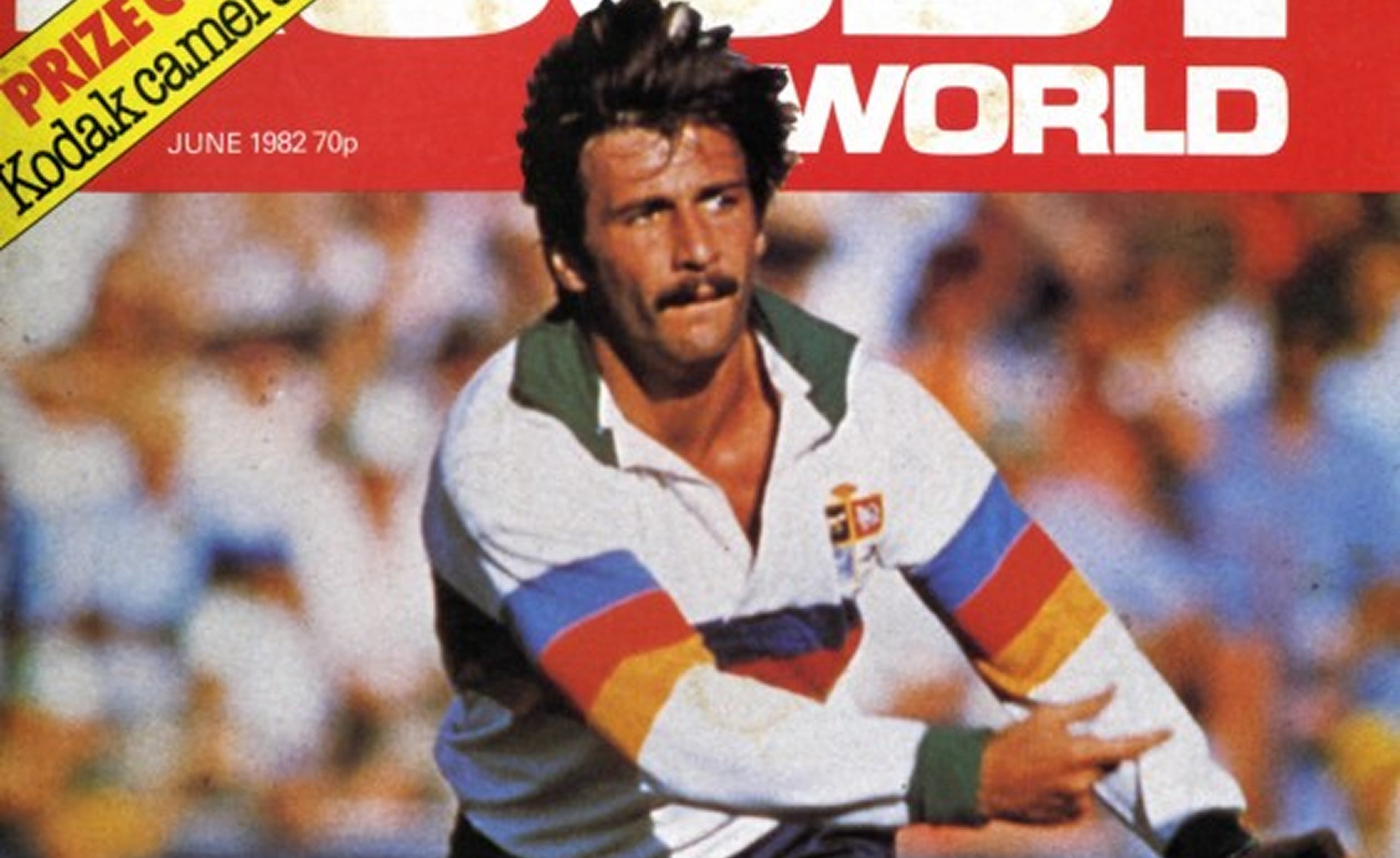
In 1980 the experiment was put into practice with a small South African tour where the newly christened Jaguars lost both tests, and was later reciprocated with a clandestine trip to South America by the Springboks, most notable for the first appearance of Errol Tobias, the man who broke the colour barrier for the Bokke.
But, when planning for the follow-up South American Jaguars tour in 1982, they had bigger plans. This time they would send 42 players, enough for two separate teams. They scheduled two matches for each game-day, designing two entirely parallel schedules.
The main “A” side, effectively Los Pumas for Test purposes, toured the traditional provincial heavyweights in major centres, Griqualand West in Kimberley, Natal in Durban, Western Transvaal in Potchefstroom, before contesting the two scheduled Tests against the Springboks in Pretoria and Bloemfontein.
At the same time, a second group, the so-called “B” team, drawn from younger Argentinians and players from Uruguay, Paraguay and Chile, travelled a more rugged circuit: Upington in the North-West Cape, Newcastle in Northern Natal, Lichtenburg in Stellaland, Bethlehem in the eastern Orange Free State. There they faced composite regional sides, often in smaller, tougher towns where the rugby was rural and the laws were treated as suggestions. On the test days they would face a South African Districts XV, playing double-headers in Loftus Versfeld Stadium and Free State Stadium.
This “B” team would eventually become known as La Legión Extranjera. The Foreign Legion. Sources vary on which players toured in 1982, but according to the team photo, from Chile, there were five representatives: Alastair MacGregor, who played as a Number 8 and served as the captain of the Chilean national side. Rafael Ruiz, who played as a centre, and Pablo Demaría, Marcelo Audibert, and Andrés Allamand. There was one Paraguayan, Enrique Riera, and finally representing Uruguay was Santiago Bordaberry, the flanker who was frequently integrated into the main squad for the midweek games.
In many ways La Legión had a tougher tour. There were no easy games in South Africa, and they were being sent off to the wilderness to play giant Afrikaans farm boys with dented dreams of becoming Springboks. If rugby was a religion, they were travelling its Bible Belt, all without gaining the glory of the first team matches.
The then coach of the Argentine national team, who also served as the Jaguars touring coach, Rodolfo O’Reilly, recalled that everyone knew the situation, that they were a cover: “The lads from other countries knew it was a smokescreen, and although they played many matches on the tour, in the two test matches the spot belonged to Los Pumas.”
Even with this ruse and the asterisk of apartheid, this opportunity was too big to turn down. Chile, Uruguay and Paraguay were very much minnows in South American rugby waters. This tour could help develop the sport domestically and kickstart its growth across the continent. Although all the countries maintained deep ties to the sport through their British immigrant communities5, none had picked up the rugby game as much as its rounder cousin.
The year before this tour, the three nations played against each other in the 1981 South American Championship in Montevideo. It had been the closest of all of the tournaments, because for the first time, Argentina didn’t participate6. In their absence, Uruguay, which had long been the second-best team on the continent, finally claimed the championship. While Chile was close behind as the tournament’s runner-up, Paraguay had suffered heavy defeats to its rivals.
So for these seven players, even the shadow games would be the biggest tests of their careers.
“When we walked onto the pitch [against South African Districts XV]… we got goosebumps,” Chilean tourist Marcelo Audibert told La Tercera in 2017, “Considering that in Chile… only 200 people would gather. We were at the peak of our careers.”
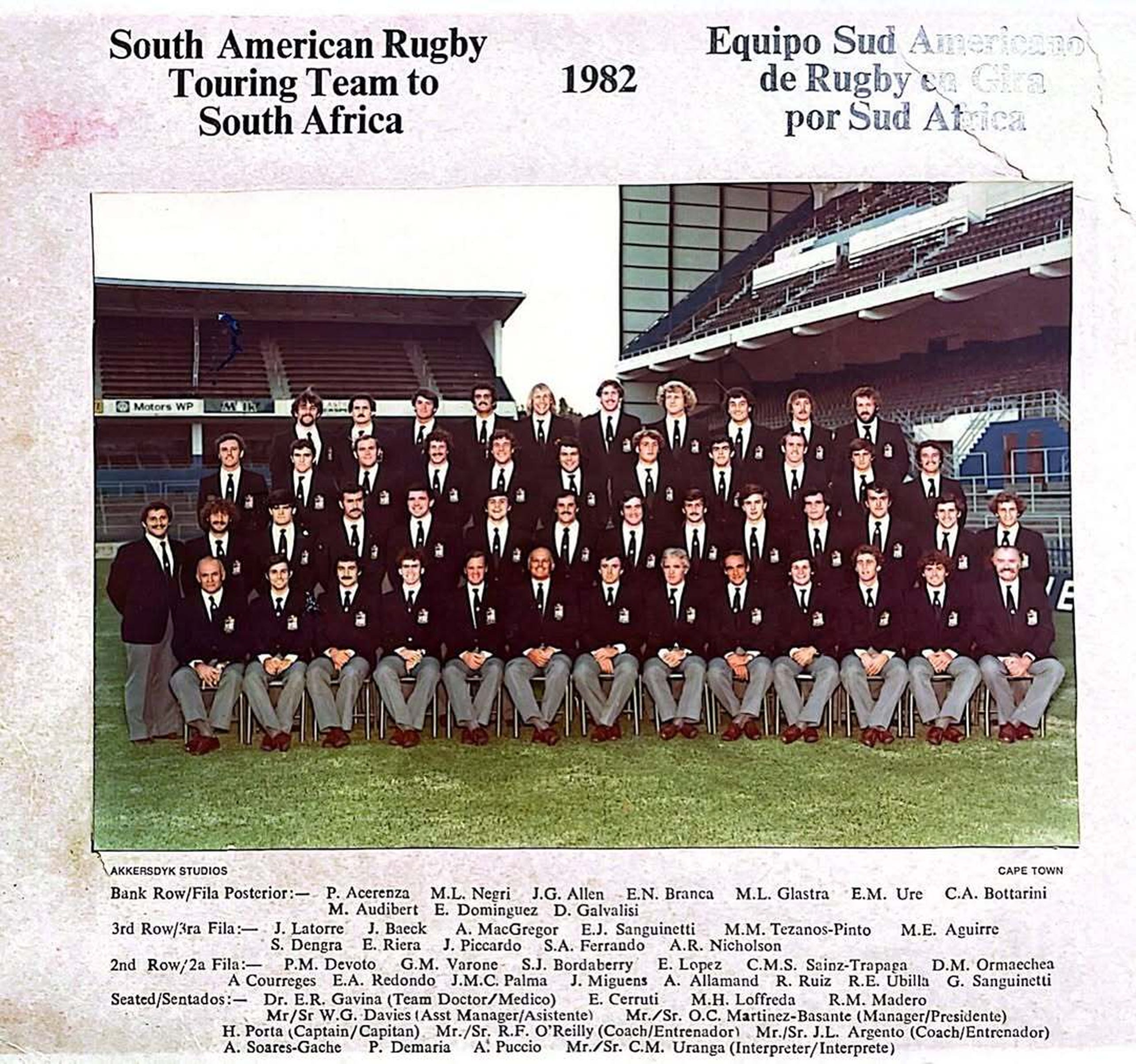
The South American XV boarded the plane in Buenos Aires like a “group of friends on vacation” to avoid attention, and arrived in a pleasantly mild autumn in Johannesburg. The team travelled preppily, in open Oxford shirts, polos, loafers and chinos, and were surprised by full uniforms on arrival: blazers, shirts, ties, badges and matching bags, all emblazoned with the Sudamérica XV logo and provided gratis by the South African Rugby Board.
This gift was a sign of what was to come. Over the next two weeks, they would be honoured guests of the nation, dining in the best hotels, playing and training at some of the premier clubs, and given free time to explore the new country, where they were often stopped in the streets for photos and autographs by people who recognised them as a rare visiting international side.
For many of the players, it wasn’t only their first time on a different continent, but their first time being treated as celebrities.
Still, there was the serious matter of the rugby games. There were seven games scheduled for each team in 21 days, with the first kicking off on 13 March and the last on 3 April.
There wasn’t much time to rest, even with two whole squads, they couldn’t rotate them easily. As La Legión’s tour existed in the shadow of Los Pumas, they got little coverage. Every game was played on the same day and the same kick-off as the first team.
For example, in their first game, the “A” side took on Griqualand West in the city of Kimberley, whilst the “B” side, at the same time, played the North-West Cape out in Upington, 400 km away, a four-hour drive with a lot of big men in a small minibus.
North-West Cape was an example of the tough conditions they’d play in all tour. The second team may not have played in front of big crowds before, but they were used to lush grounds at the private clubs that carried rugby in the South American capitals.
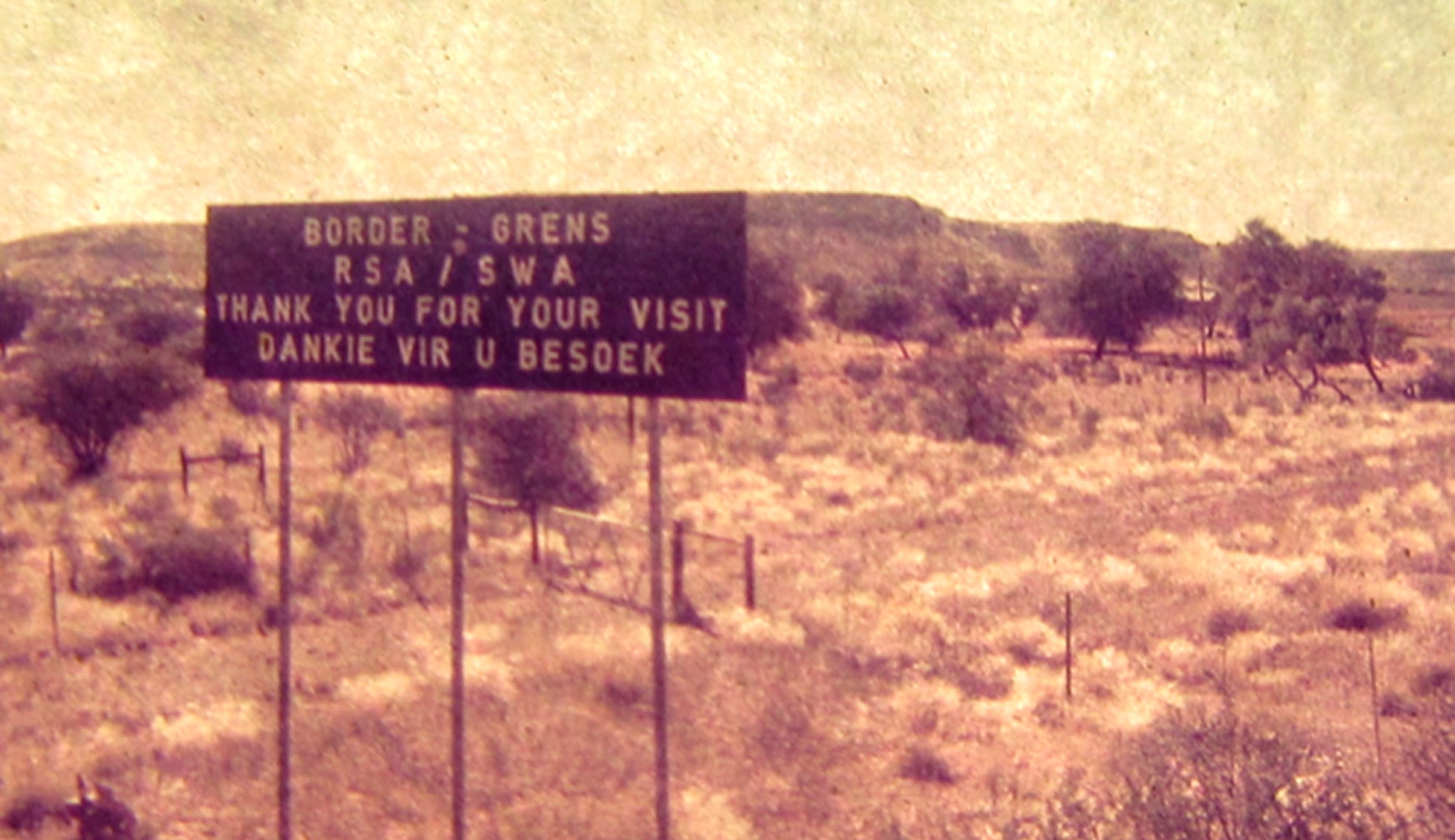
This ground was red and dry, a 50:22 away from the Kalahari Desert, where temperatures can get as high as 40 degrees in March. Even worse, the slighter Latin players looked tiny in the warm-ups next to what they described as “frightening giants” who were each “two metres tall and 150 kilograms”.
As they would have said, they had, un as bajo la manga, a few aces up their sleeves. The tactics for both teams were to avoid contact and use their nimbleness, their speed and their creativity to find ways around the giants of the savannah, acting like a pack to tire the larger, slower animal. This meant little kicks behind the big forwards, passes out of contact, and, with the dry pitches providing a platform, plenty of overlaps on the outside.
They proved they were not just token selections to leverage a loophole. In a tough first battle later described by team captain Marco Negri as “a terrible physical and mental test”, they beat North-West Cape 27–3 and earned the respect of the home fans.
It was also here where coach Joe Argento manifested the myth of La Legión Extranjera. Strolling through the wide streets of Upington, he came across a shop selling khaki hats with neck flaps. He bought one for each of the team members, affixed the Sudamérica XV pin to them, and gave them out in a ceremony in the town square. The players wore them for the rest of the tour, seeing them as earned stripes that leant into their underdog status, not just against the opposition but among their own team too.
That said, there is no indication that any of them felt anything but part of the same wider team and touring party. The collective South American spirit took over with later remembrances describing it as having “good vibes and camaraderie”, a “feeling of brotherhood” and “spectacular coexistence” with Negri stating the side “convinced itself it was a team, not a collection of individuals.”
Over the next few weeks, these brothers criss-crossed the nation, covering thousands of kilometres to visit some of the most remote places in South Africa, where border disputes and tense crowds were matched by a seemingly endless parade of “giant Boer farmers” stepping off their bakkies into shorts and jerseys, putting down their rifles momentarily to either carry the ball or attempt to rip a South American’s head off.
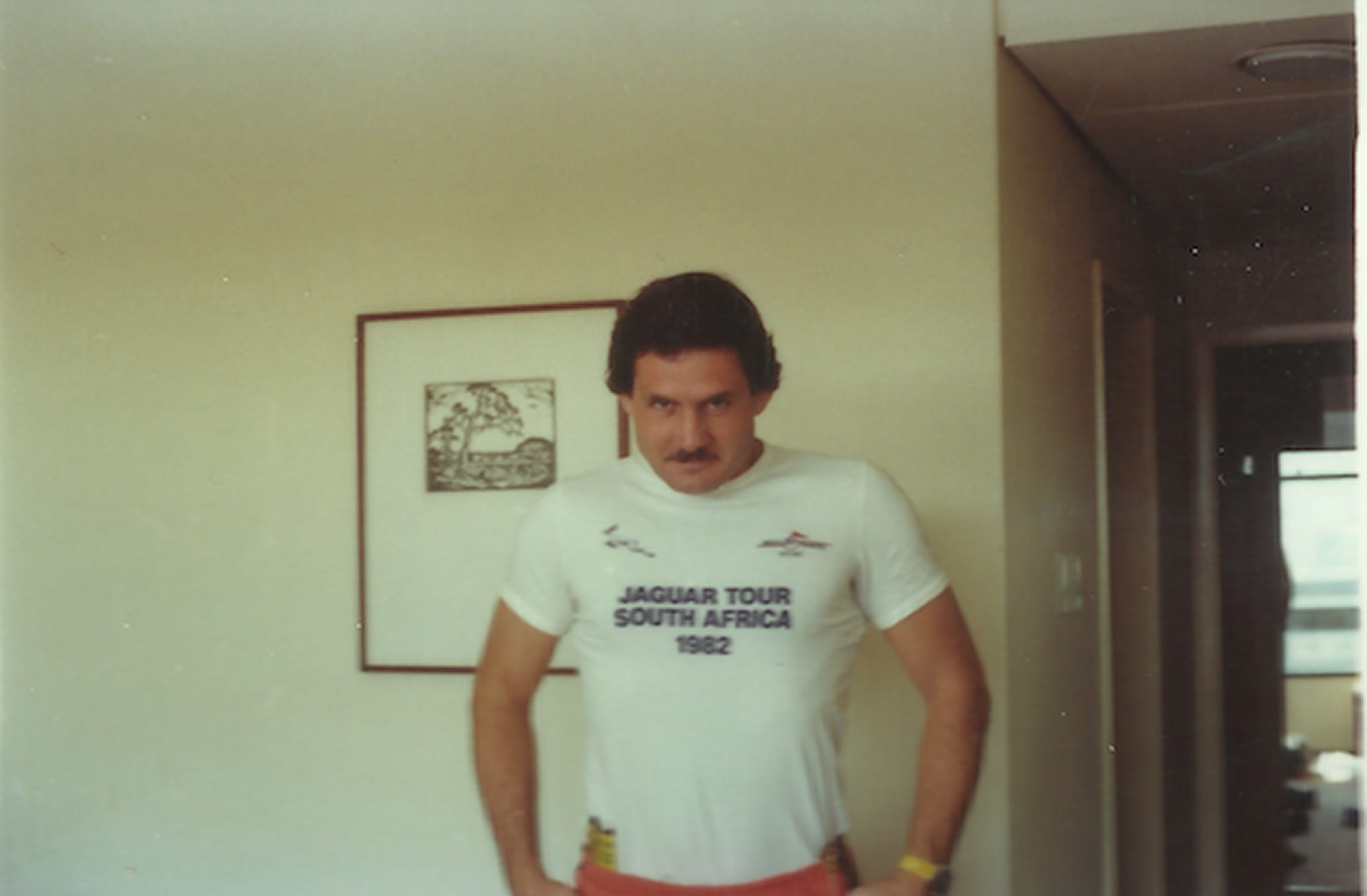
Their guile prevailed. La Legión went undefeated in their midweek games, going on to defeat Border 24–9, Northern Natal 37–0 and Stellaland 49–12, their toughest match coming against Eastern Orange Free State, which they drew 18–18.
On these drives, the players would have seen scenes of apartheid from their minibus windows. All the places they visited had Black townships 5–10 km outside the city limits, living in overpopulated tin shacks from which the farms drew their labour.
These places in between their stops would have revealed more about the reality of the country than the sheltered start and enclosed ends. Even there, there were Whites-Only benches, toilets, and entrances. They would have sat in segregated waiting rooms and stayed in segregated hotels. The games, when they allowed Black fans, would have placed them all at one end of the stadium and had them enter from different entrances.
The starting hooker Andrés Courreges remembered later:
“Apartheid was terrible. The differences were tremendous. The beaches were fenced off with barbed wire and were only for whites. We had an unbelievable anecdote with the doctor who treated us after the first test.
“The doctor invited us to his house near Durban, in Cabana Beach, and we were hitting golf balls really far while practicing our shots. Since the Black guys were taking so long to return them, he pulled out a gun and fired a shot into the ground to make them hurry up. Crazy.
And another time, on the way to a supermarket, he put a Black guy in the trunk to carry the shopping cart. On the way back, to our surprise, the man had to run back to the side of the car.”
Andrés Allamand, who later became a Chilean senator, described it with a politician’s tongue as “a country that was already beginning to experience the convulsions of a regime that could not prosper and continue.” The team was shuttled from hotel to hotel and given views and experiences that sanitised South Africa as best the authorities could. They couldn’t scrub it all from sight.
As much as the institutional racism appalled them, they still had their job to do.
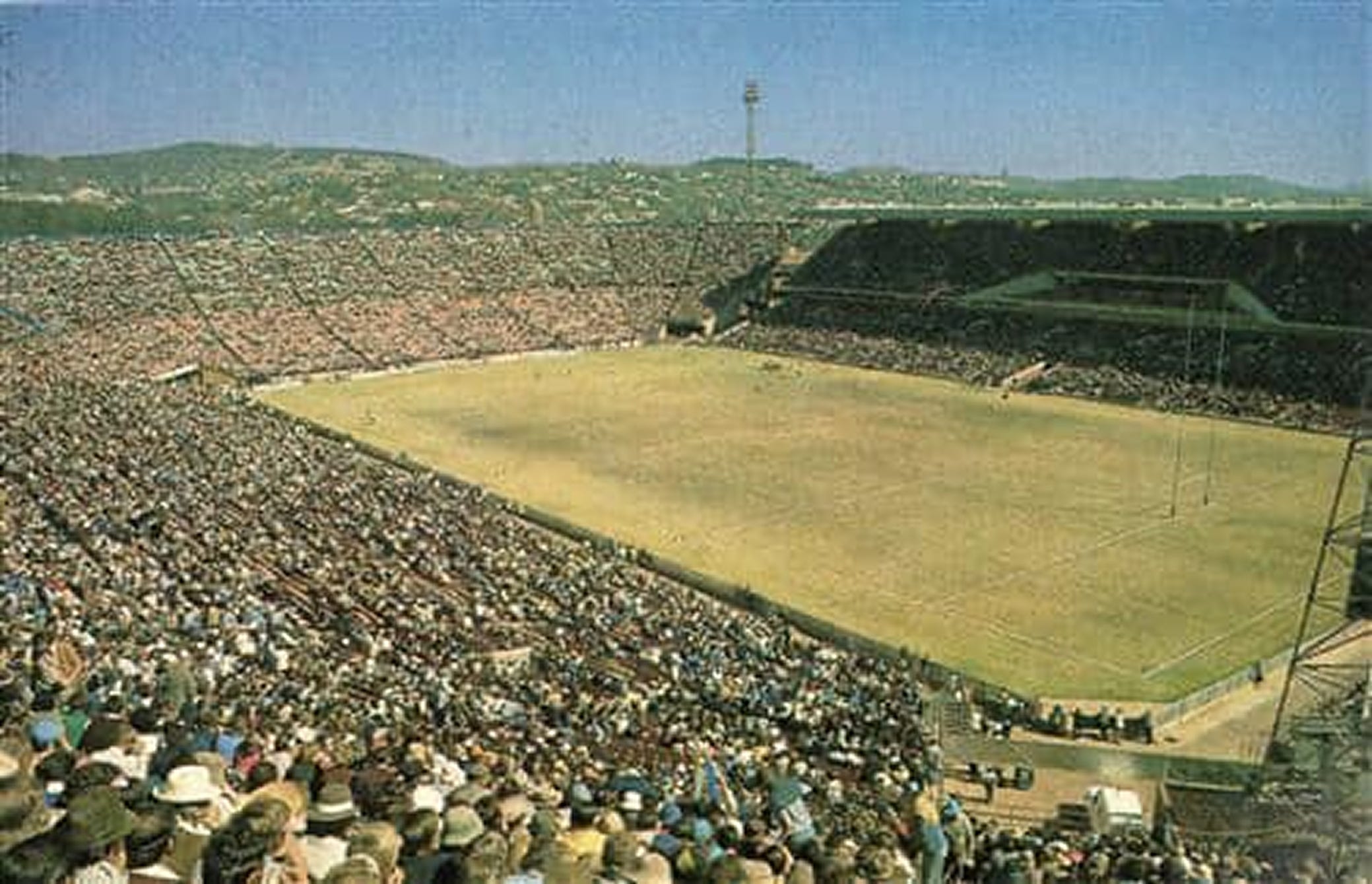
Though they had performed well on the tour so far, their strongest matches were saved for the parallel tests, where they were scheduled to play the SA Country XV both times. These sides were often mixed, with some of the early Black Springboks getting their start in their ranks. As an added bonus, La Legión got to play them at the same stadiums in double-headers with similar crowds as to the first team.
Chilean scrum-half Pablo Demaría remembered: “We played with regional South African teams that are super powerful, and in stadiums with 40,000 and 50,000 people, it was first-class rugby. The people stopped you in the streets and they wanted to take photos with you, it was incredible.”
Even against this improved opposition, with big-name players and representative talent, they overcame them handily. They beat them 33–24 in Pretoria and 22–4 in Bloemfontein. Of course, the latter of these victories was forgotten in the success of Hugo Porta’s individual efforts with the South American Jaguars first team, and in effect Argentina’s, defeat of the Springboks for the first time, 21–12, a win still remembered as one of the great upsets of the era.
However, the continued success and unbeaten run of the “B” team helped add to the completeness of the tour. The “A” team only lost one test, and their strong finish at Free State Stadium meant that, in total, out of the 14 games played by the tourists, they won 12, with one loss and one draw. It was a resounding success for the South Americans that helped announce them on the global stage, and each of the players, from all four nations, had made their country and continent proud.
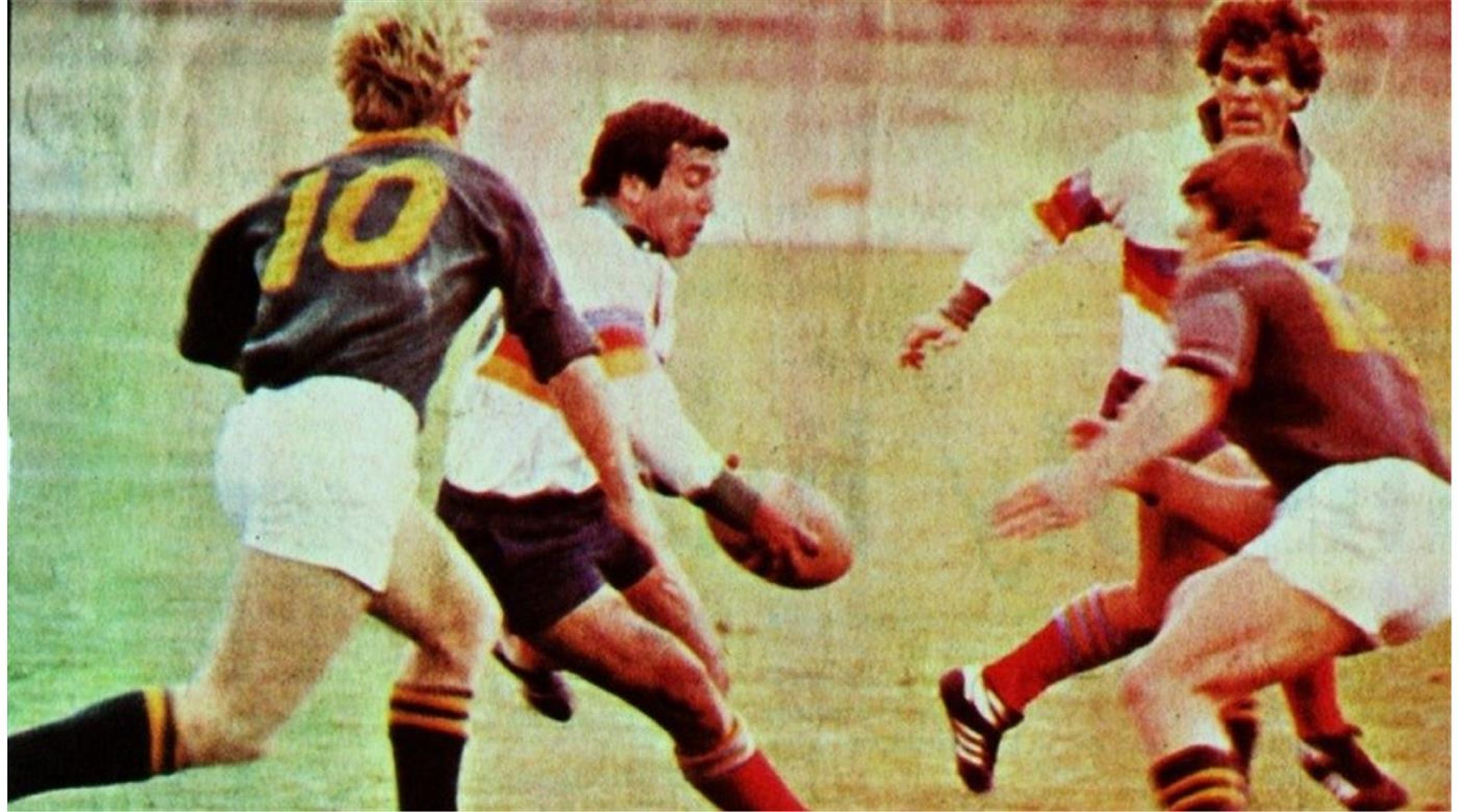
Twenty-four hours before the second test, Argentina invaded the Falkland Islands7, starting a 74-day war, the defeat of which set in motion events that led to the downfall of the ruling junta, the democratisation of the nation, and a dramatic change in their approach to South Africa.
Flights between the countries were halted in 1983, and between 1986 and 1991 diplomatic relations were suspended entirely. However, amid this change, the South American Jaguars toured again, sending a team in 1984. The domestic response, however, was very different.
It was seen as a direct affront to Argentina’s new found democracy, The Foreign Ministry and Chamber of Deputies requested a formal investigation into the players and clubs involved. The difficulties the 1984 tour caused, compared to the cooperation he received from the previous military junta, led Danie Craven to say that he “liked the Argentines better when they did not live in democracy.” The South American XV was promptly dissolved and no further tours planned.
The 1982 tour was the high watermark of the team’s brief existence. Much like the 1978 World Cup win is remembered as the dictator’s, the first Pumas win over South Africa is remembered as that of the Jaguars. Every nation remembers its first away win over the big ones. In 1983 Argentina beat Australia, in 2006 they beat England at Twickenham, and I watched live as the players cry on the pitch after Argentina defeated New Zealand in 2022.
Officially, Los Pumas didn’t win in South Africa until 2015. Because even though the stain of engaging with apartheid isn’t on Argentina’s record, neither is the glory of maybe its greatest triumph.
This paradox feels strangely appropriate considering the complex legacy of the tour. Although later iterations of the Jaguars existed for exhibition matches, they have again been nominally Pumas sides, if only because that is where the best players were, rather than as a way to skirt sanctions.
Rugby never quite developed from the potential that the other nations had in the early part of the century. They never developed into capable competition for Argentina and the latter’s inclusion in the Rugby Championship and Super Rugby further separated them from their neighbours.
There might be an alternate universe where the Jaguars are able to put on tours in the same vein as the Lions, a regional powerhouse drawing the best from each region, but it’s not this one.
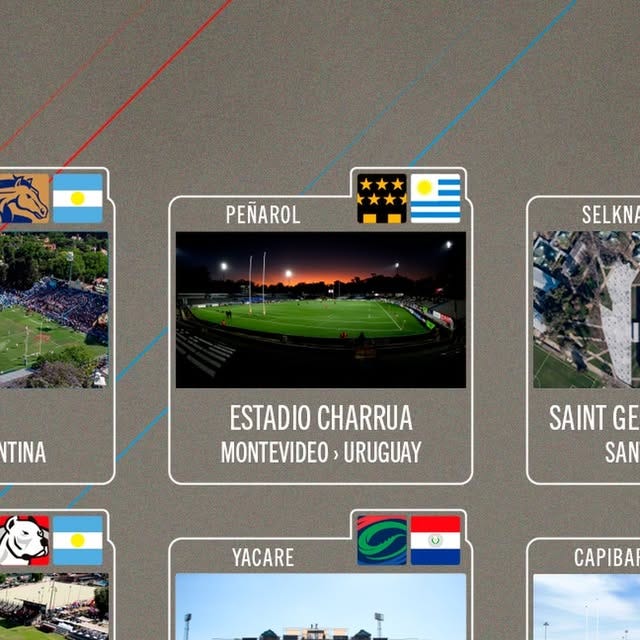
That said, the new Súper Rugby Américas, which began in 2020 and starts again this week, might go some way to allowing that to happen again. There are franchises in Brazil, Paraguay, Chile, Uruguay and Argentina and the games have been steadily gaining popularity. The three latter teams will be present at the 2027 World Cup, the second time three countries from the continent have competed at the same tournament.
There might be magic in this momentum. Who knows, it could pick up the legacy of La Legión, and eventually form a team with players from all South American nations, that can beat South Africa again, and echo their forgotten victories of the past.8
As well as Black Africans, apartheid also affected Cape Coloured, Indian, and Chinese communities, who were also placed in a strict racial hierarchy beneath whites but above Africans.
Despite the sport in Argentina traditionally being aligned with the right wing, over 156 of the estimated 220 athletes killed by the junta were rugby players, a group for whom the La Plata club, with 14 of its 15 players killed by the government, has become a lasting emblem.
For more on this tournament I recommend Blood on the Crossbar by Rhys Richards.
Some clarification needed here. The Argentinian logo depicts a jaguar, but the team are officially known as Los Pumas. This misnomer comes from their 1965 tour of South Africa where a journalist saw the big cat, assumed it was a puma, and immortalised it in print. The jaguar has historically existed in all four of the nations, hence it’s choice for the new team.
These cultures exist in names today, including some of the tourists like Rodolfo O’Reilly, Alastair MacGregor, or Santiago Bordaberry. This old British diaspora in Argentina and Chile, where railway workers, traders and farmers settled, intermarried and became fully local while keeping British surnames.
Usually held in October, the tournament was moved to May, and as a result the congested season saw Argentina prioritise the upcoming England rugby tour and finishing of the domestic national championship instead, not wanting to disrespect the South American Championship by fielding a second side.
If there was ever a question that it was an Argentina tour, when the war was announced, the players held an emotional meeting whether to continue it at all, deciding, to play not as a continental side, but as representatives of their country, making a “oath” to “leave their lives on the pitch” for Argentina.
Other sources: Sport & Apartheid Jean Durry, #SudaméricaXV: el plantel para Paraguay rugbyamistadyvalores. Rediscovering the South African Games: A Neglected Chapter in South African Sports History Duncan Lotter,. 122 años en 122 partidos Unión Argentina de Rugby. 1982 Scenes in the Southern Cone,. A 39 años de un triunfo que marcó la historia del rugby argentino Rugby Champagne. A Long Shadow: The 1981 Springbok Tour of New Zealand Sebastian Potgieter,. Deporte y militancia: la historia de los rugbiers desaparecidos El Grito del Sur. El día que XV argentinos vencieron a Sudáfrica ESPN,. La historia detrás del equipo de Sudamérica XV Chile Rugby. La leyenda negra - El rugby argentino, el apartheid sudafricano y la ilusión de mantenerse al margen de la realidad Andrés Reggiani,. La épica victoria de Sudamerica XV sobre los Springboks en pleno apartheid Cordoba XV. Las anécdotas más impactantes de la épica victoria de Sudamérica XV ante los Springboks en pleno apartheid Infobae,. Legionario Nicolás Casanova. Leyendas del Rugby Historia de Sudamérica XV YouTube transcript,. Macello Calandra, nuevo Presidente de Sudamérica Rugby Unión de Rugby del Uruguay. Renovación del Consejo Directivo de Sudamérica Rugby Sudamérica Rugby,. South Africa prepare for the unexpected, The Guardian. Sports isolation and the struggle against apartheid in South African sport Rademeyer,. The Day the Pumas Stunned the Springboks MDZol. The Flight of the Condors Through Apartheid South Africa La Tercera,. The Silenced Squad: Argentina’s Dirty War and La Plata Rugby. Art and Architecture, mainly. Unión Argentina de Rugby Memoria Temporada año 1991.